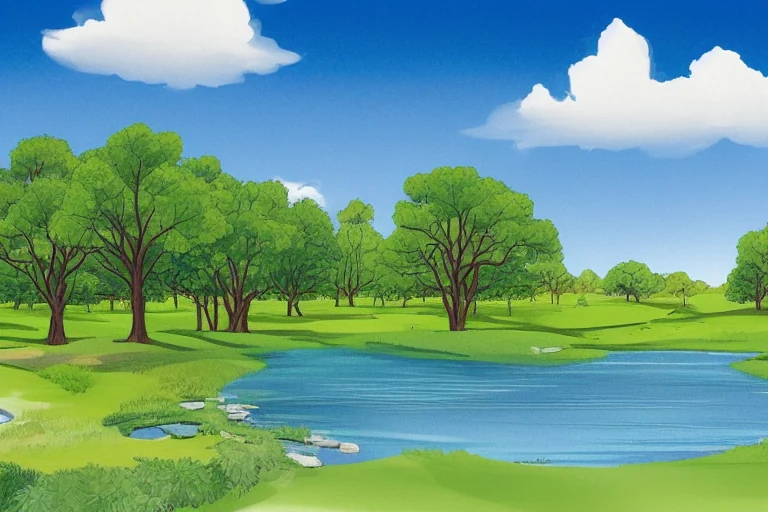
The water cycle is an intricate process that plays a vital role in shaping our planet's weather patterns, ecosystems, and human societies. It involves the continuous movement of water through various stages, including evaporation, condensation, and precipitation. Understanding the water cycle helps us appreciate its interconnectedness with other environmental processes and the importance of preserving this delicate balance for future generations.
Stages of the Water Cycle
1. **Evaporation**: This is the process where liquid water transforms into water vapor due to heat from the sun. It occurs from various sources, including oceans, rivers, and lakes. Plants also contribute through a process called transpiration, where water absorbed by roots is released into the atmosphere from leaves.
2. **Condensation**: As water vapor rises, it cools and transforms back into liquid water, forming clouds. This process is critical for the formation of precipitation. When water vapor condenses, it releases heat, which warms the surrounding air and helps sustain weather systems.
3. **Precipitation**: When clouds become heavy with water droplets, they release moisture in the form of rain, snow, sleet, or hail. This stage is crucial because it replenishes freshwater sources and supports ecosystems. Depending on the temperature and atmospheric conditions, precipitation can take different forms, each of which plays a unique role in the environment.
4. **Collection**: After precipitation, water gathers in rivers, lakes, and oceans. Some of it seeps into the ground, replenishing groundwater supplies. This stage is essential for maintaining water availability for drinking, irrigation, and supporting aquatic ecosystems. The collected water will eventually evaporate again, continuing the cycle.
Impact of the Water Cycle on Our Daily Life
The water cycle is fundamental to the availability of clean drinking water. As precipitation replenishes lakes and rivers, it provides essential sources of water for communities. Regions with reliable rainfall patterns can maintain stable water supplies, while areas experiencing drought face significant challenges. Understanding the water cycle helps us appreciate the importance of conserving our freshwater resources and protecting the environment.
Human Impacts on the Water Cycle
Human activities, such as pollution and deforestation, can disrupt the delicate balance of the water cycle, leading to devastating consequences like droughts and floods. By respecting and preserving the water cycle, we can ensure a healthy planet for future generations. The water cycle is not just a theoretical concept; it has real-world implications that affect our daily lives in numerous ways.