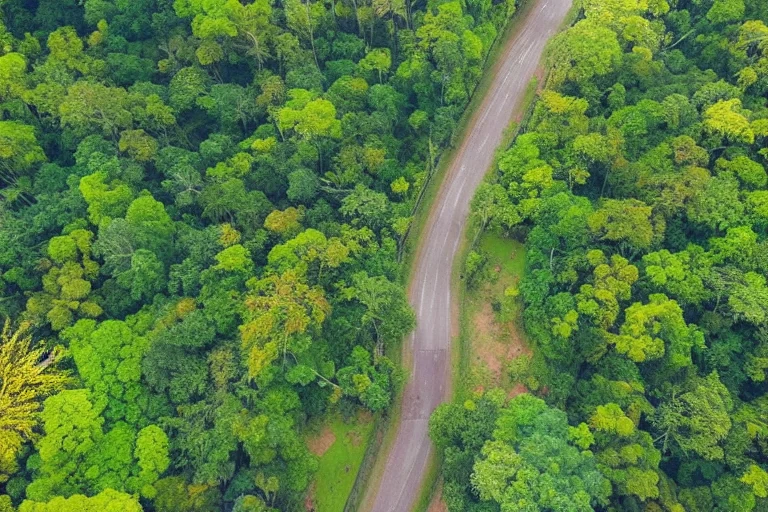
Introduction to Ecosystems and Succession
An ecosystem is a community of living organisms and their physical environment, interacting as a system. Ecological succession is the process by which communities of plants and animals replace one another over time, eventually reaching a climax community. Trees play a crucial role in this process, contributing to the stability and diversity of ecosystems. [1]
Supporting Biodiversity Through Trees
Trees support biodiversity by providing habitats, food sources, and shelter for various species. They also contribute to the overall health of ecosystems by regulating climate, purifying water, and storing carbon. For example, forests store 80% of terrestrial biodiversity and absorb approximately 2.6 billion tonnes of carbon dioxide annually. [2]
Mechanisms of Ecosystem Balance
Trees maintain ecosystem balance through various mechanisms, including nutrient cycling, water regulation, and the provision of habitat. They also support the growth of other plants and the survival of wildlife. For instance, the genetic diversity of trees can influence the biodiversity of associated species, as seen in the study linking tree genetics to continental-scale biodiversity patterns. [2]
Examples of Ecosystems Where Trees Are Crucial
Forests, particularly those in the North American southwest, are critical ecosystems where trees play a vital role. They provide habitat for diverse species, regulate local climates, and support the overall health of the ecosystem. The study by Helen Bothwell highlights the importance of genetic diversity in trees for maintaining biodiversity at a continental scale. [4]
Preservation of Trees for Ecosystem Health
The preservation of trees is essential for the overall health of ecosystems. Trees provide numerous benefits, including cooling urban heat islands, improving air quality, and enhancing stormwater management. They also support the health of other organisms and contribute to the overall biodiversity of an ecosystem. [3]
Key Takeaways
- Ecosystems are communities of living organisms and their physical environment, and trees play a crucial role in maintaining their balance. [2]
- Trees support biodiversity by providing habitats, food sources, and shelter for various species, and they contribute to the overall health of ecosystems through processes like nutrient cycling and carbon storage. [6]
- The genetic diversity of trees can influence the biodiversity of associated species, as seen in the study linking tree genetics to continental-scale biodiversity patterns. [4]
- Preserving trees is essential for the overall health of ecosystems, as they provide numerous benefits, including cooling urban heat islands, improving air quality, and enhancing stormwater management. [3]
FAQ
- **What is ecological succession, and how do trees contribute to it?** Ecological succession is the process by which natural communities replace one another over time. Trees contribute to this process by providing habitats, food sources, and shelter for various species, and by regulating climate, purifying water, and storing carbon. [2]
- **How do trees support biodiversity in their ecosystems?** Trees support biodiversity by providing habitats, food sources, and shelter for various species, and by contributing to the overall health of ecosystems through processes like nutrient cycling and carbon storage. [6]
- **What are the mechanisms by which trees maintain ecosystem balance?** Trees maintain ecosystem balance through various mechanisms, including nutrient cycling, water regulation, and the provision of habitat. They also support the growth of other plants and the survival of wildlife. [2]
- **Can you provide examples of ecosystems where trees play a crucial role in maintaining balance?** Forests, particularly those in the North American southwest, are critical ecosystems where trees play a vital role. They provide habitat for diverse species, regulate local climates, and support the overall health of the ecosystem. [2]
- **Why is the preservation of trees important for the overall health of ecosystems?** The preservation of trees is essential for the overall health of ecosystems, as they provide numerous benefits, including cooling urban heat islands, improving air quality, and enhancing stormwater management. They also support the health of other organisms and contribute to the overall biodiversity of an ecosystem. [3]
Conclusion
Trees are vital components of ecosystems, contributing to their stability, diversity, and overall health. Understanding the role of trees in maintaining ecosystem balance is crucial for effective conservation and management strategies. By preserving trees, we can ensure the continued provision of essential ecosystem services and the protection of biodiversity. [2]