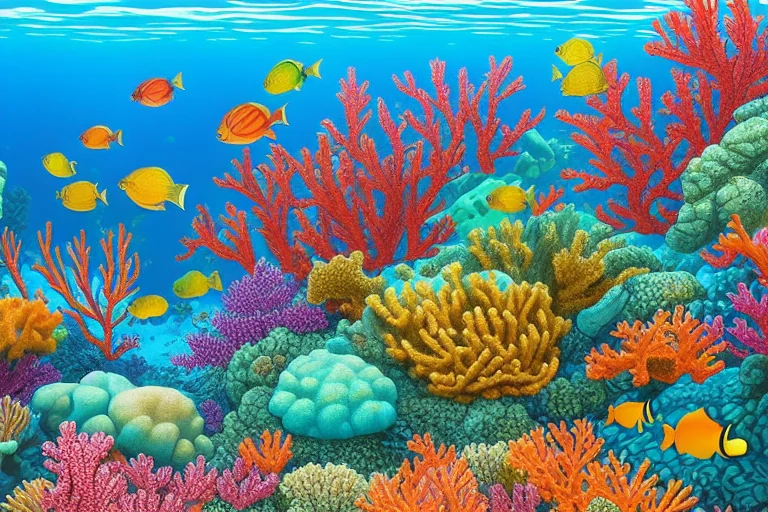
Introduction to Marine Protected Areas
Marine Protected Areas (MPAs) are designated regions in the ocean, seas, or other bodies of saltwater that are managed to conserve and protect marine ecosystems, habitats, species, and cultural resources. These areas range from no-take zones where all extractive activities are prohibited to multiple-use areas that allow sustainable practices. MPAs are crucial for preserving biodiversity, supporting fisheries, and providing essential ecosystem services [1][2][3][4].
Mechanisms of Marine Protected Areas
MPAs use various mechanisms to preserve marine life and ecosystems, including no-take zones, seasonal closures, and sustainable use practices. These mechanisms help protect critical habitats, such as coral reefs and seamounts, and support the recovery of depleted species. MPAs also serve as living laboratories for scientific research and education, contributing to the understanding of marine ecosystems and promoting sustainable use of marine resources [1][2][3][4].
Examples of Successful Marine Protected Areas
Examples of successful MPAs include the Papahānaumokuākea Marine National Monument in the central Pacific Ocean, covering an area of 1.5 million square kilometers, and the Marae Moana Act in the Cook Islands, which designates the entire country's marine exclusive economic zone. These areas have shown remarkable success in restoring fish populations and coral reef ecosystems, providing valuable lessons for the establishment and management of other MPAs [1][2][3][4].
Impact of Marine Protected Areas on Marine Ecosystems
The establishment of MPAs has a positive impact on the overall health and resilience of marine ecosystems. By protecting critical habitats and species, MPAs help mitigate threats such as overfishing, habitat destruction, and pollution. Research has shown that fully protected marine areas typically exhibit higher fish biomass and greater species diversity compared to unprotected areas. MPAs also provide essential ecosystem services, such as coastal protection, sustainable fisheries, and climate regulation [1][2][3][4].
Benefits of Establishing Marine Protected Areas
Establishing MPAs offers practical benefits for both the environment and local communities. MPAs can provide economic benefits by supporting the fishing industry through the revival of fish stocks and job creation via ecotourism. They also contribute to the conservation of marine biodiversity, supporting the recovery of depleted species and protecting critical habitats. MPAs are part of a broader strategy for large-scale ocean conservation, but their success depends on effective management, monitoring, and enforcement [1][2][3][4].
Key Takeaways
- Marine Protected Areas (MPAs) are designated regions in the ocean, seas, or other bodies of saltwater that are managed to conserve and protect marine ecosystems, habitats, species, and cultural resources.
- MPAs use various mechanisms, including no-take zones, seasonal closures, and sustainable use practices, to preserve marine life and ecosystems.
- Examples of successful MPAs, such as the Papahānaumokuākea Marine National Monument and the Marae Moana Act, have shown remarkable success in restoring fish populations and coral reef ecosystems.
- The establishment of MPAs has a positive impact on the overall health and resilience of marine ecosystems, providing essential ecosystem services and supporting the recovery of depleted species.
- Establishing MPAs offers practical benefits for both the environment and local communities, including economic benefits from ecotourism and the revival of fish stocks.
FAQ
- **What is the definition of a Marine Protected Area (MPA) and how does it contribute to ocean biodiversity?**
Marine Protected Areas (MPAs) are designated regions in the ocean, seas, or other bodies of saltwater that are managed to conserve and protect marine ecosystems, habitats, species, and cultural resources. MPAs contribute to the conservation of marine biodiversity by protecting critical habitats, supporting the recovery of depleted species, and providing essential ecosystem services [1][2][3][4].
- **What mechanisms do MPAs use to preserve marine life and ecosystems?**
MPAs use various mechanisms, including no-take zones, seasonal closures, and sustainable use practices, to preserve marine life and ecosystems [1][2][3][4].
- **What are some examples of successful Marine Protected Areas and their impact on ocean biodiversity?**
Examples of successful MPAs include the Papahānaumokuākea Marine National Monument and the Marae Moana Act, which have shown remarkable success in restoring fish populations and coral reef ecosystems [1][2][3][4].
- **How does the establishment of MPAs affect the overall health and resilience of marine ecosystems?**
The establishment of MPAs has a positive impact on the overall health and resilience of marine ecosystems by protecting critical habitats and species, mitigating threats such as overfishing, and providing essential ecosystem services [1][2][3][4].
- **What are the practical benefits of establishing Marine Protected Areas for both the environment and local communities?**
Establishing MPAs offers practical benefits for both the environment and local communities, including economic benefits from ecotourism and the revival of fish stocks [1][2][3][4].
Conclusion
Marine Protected Areas (MPAs) are essential for preserving ocean biodiversity, supporting fisheries, and providing essential ecosystem services. By protecting critical habitats and species, MPAs help mitigate threats such as overfishing, habitat destruction, and pollution. Their success depends on effective management, monitoring, and enforcement, and they offer practical benefits for both the environment and local communities. Establishing MPAs is part of a broader strategy for large-scale ocean conservation, and their implementation can lead to significant positive impacts on marine ecosystems and human well-being [1][2][3][4].