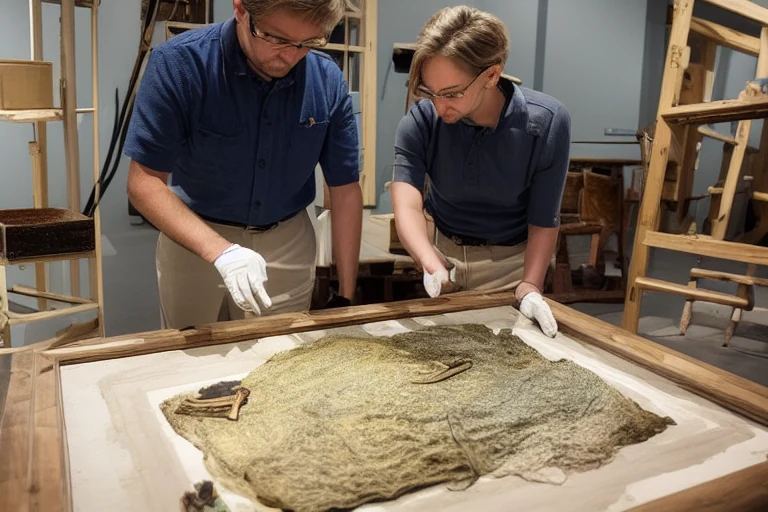
Introduction to Art Conservation
Art conservation involves the preservation and restoration of historical artifacts and works of art. This field has evolved significantly over the years, with new techniques and methods being developed to address the challenges of preserving cultural heritage. [8]
Evolution of Art Conservation Techniques
From the 1920s to the present, art conservation has seen significant advancements. Early conservation efforts focused on basic preservation, while modern techniques incorporate scientific analysis and a collaborative approach involving various stakeholders. As Joyce Hill Stoner notes, the field has moved from a black-and-white approach to a more nuanced one, with a greater emphasis on preventive conservation and collaboration with other professionals. [1]
Balancing Preservation and Public Display
Conservators must balance the need to preserve historical artifacts with the requirement to display them to the public. This involves creating environments that minimize damage while ensuring accessibility and educational value. For example, the Georgia O'Keeffe Museum in Abiquiú, New Mexico, works to preserve the spaces that shaped O'Keeffe's iconic art while allowing visitors to experience her work and the world that influenced it. [4]
Ethical Considerations in Art Conservation
Ethical issues in art conservation include cultural sensitivity, respect for the artist's intent, and the preservation of cultural heritage. These considerations vary across different cultural and historical contexts. As the Stanford Encyclopedia of Philosophy points out, there is a tension between universalism and cultural specificity, with a push for culturally specific rights and restrictions that recognize the special claims of particular cultural groups. [3]
Significant Conservation Projects
Examples of significant conservation projects include the restoration of Georgia O'Keeffe's homes and the use of advanced technologies in the preservation of egg tempera paintings. These projects highlight the challenges and successes in the field. The restoration of egg tempera paintings, for instance, requires a deep understanding of the chemistry and historical context of the medium. [7]
Contribution to Historical and Cultural Understanding
Art conservation contributes to our understanding of history and culture by preserving artifacts and works of art. However, it also has limitations, such as the subjective nature of restoration and the potential for modern techniques to alter the original work. Art conservation plays a crucial role in maintaining the integrity of cultural heritage, but it must also navigate the ethical complexities of preserving and interpreting these works. [2]
Key Takeaways
- Art conservation has evolved significantly over time, incorporating scientific methods and a collaborative approach.
- Conservators must balance the preservation of artifacts with their public display, creating environments that minimize damage. [6]
- Ethical considerations in art conservation include cultural sensitivity, respect for the artist's intent, and the preservation of cultural heritage. [8]
- Significant conservation projects often face challenges but can provide valuable insights into the history and culture of the artworks. [8]
- Art conservation contributes to our understanding of history and culture, but it also has limitations, such as the potential for modern techniques to alter the original work. [7]
FAQ
- **What are the primary techniques used in art conservation, and how have they evolved over time?**
Art conservation techniques have evolved from basic preservation methods to incorporating scientific analysis and a collaborative approach. Modern techniques include the use of advanced technologies and a focus on preventive conservation. [6]
- **How do conservators balance the preservation of historical artifacts and works of art with the need to display them to the public?** [8]
Conservators create environments that minimize damage while ensuring accessibility and educational value. This involves understanding the specific needs of each artifact and working with curators, archivists, and other stakeholders. [6]
- **What are the ethical considerations in the conservation of art, and how do they vary across different cultural and historical contexts?** [2]
Ethical considerations include cultural sensitivity, respect for the artist's intent, and the preservation of cultural heritage. These considerations vary based on the cultural and historical context of the artwork. [8]
- **Can you provide examples of significant conservation projects and their outcomes, and what challenges did they face?** [2]
Examples include the restoration of Georgia O'Keeffe's homes and the use of advanced technologies in the preservation of egg tempera paintings. Challenges include the subjective nature of restoration and the potential for modern techniques to alter the original work. [7]
- **How does the field of art conservation contribute to our understanding of history and culture, and what are its limitations?** [7]
Art conservation contributes to our understanding of history and culture by preserving artifacts and works of art. However, it has limitations, such as the potential for modern techniques to alter the original work and the subjective nature of restoration. [2]
Conclusion
Art conservation is a complex and evolving field that plays a crucial role in preserving cultural heritage. By understanding the techniques, ethical considerations, and challenges involved, we can better appreciate the importance of this work in maintaining the integrity of our shared cultural history. [2]