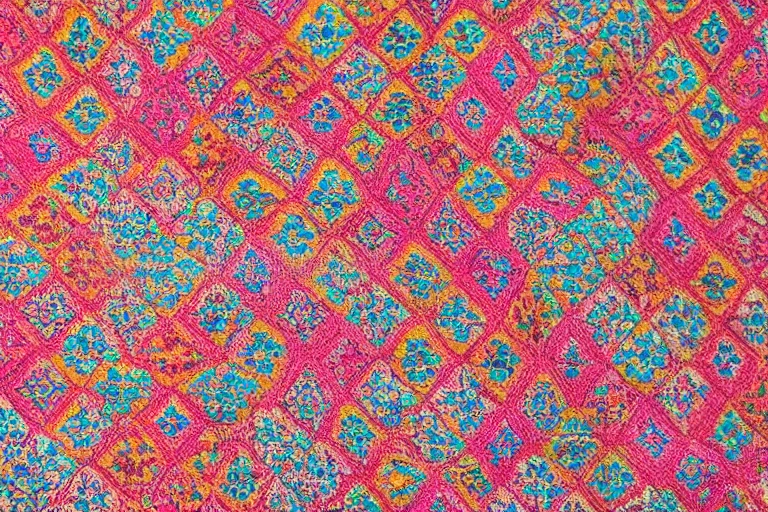
Introduction to Textile Preservation
The preservation of ancient textiles is crucial for maintaining cultural heritage and historical knowledge. Museums and conservation institutes play a vital role in safeguarding these artifacts, employing techniques such as using acid-free materials, proper storage conditions, and natural and synthetic treatments. Understanding the materials and techniques used in the creation of these textiles is essential for effective preservation. [5]
Techniques for Preserving Ancient Textiles
Techniques for preserving ancient textiles include the use of acid-free materials, proper storage conditions, and the application of natural and synthetic treatments. Proper storage conditions, such as controlled temperature and humidity, are crucial. Natural and synthetic treatments can help protect textiles from biological and environmental degradation. Understanding the materials and techniques used in the creation of ancient textiles is essential for effective preservation. [7]
Challenges in Preserving Ancient Textiles
Environmental and biological factors contribute to the degradation of ancient textiles. Fluctuations in temperature and humidity, pests, and the use of natural dyes are significant challenges. Ethical considerations in the conservation of these artifacts are also important. Proper storage conditions, such as controlled temperature and humidity, are crucial for preserving ancient textiles. The isolation of textiles in acid-free materials can reduce the spread of insect infestations and mitigate against fluctuations in temperature and relative humidity. The Smithsonian Institution museums try to maintain their collections at 45% RH + 8% RH and 70 o F + 4 o F. However, these conditions are not always possible, and the procedures to interleave and separate individual textiles with acid-free tissue, to roll on acid-free tubes, and to pack in acid-free boxes have reduced damage enormously to textile collections in the Northern part of the United States. [1]
Examples of Successfully Preserved Ancient Textiles
Examples of successfully preserved ancient textiles include the sampler by Huldah Booth submitted to the Pension Office in 1848, which is stored in a cool, dry location to avoid mold and insect damage. Proper storage conditions, such as controlled temperature and humidity, are crucial for preserving ancient textiles. The isolation of textiles in acid-free materials can reduce the spread of insect infestations and mitigate against fluctuations in temperature and relative humidity. The Smithsonian Institution museums try to maintain their collections at 45% RH + 8% RH and 70 o F + 4 o F. However, these conditions are not always possible, but the procedures to interleave and separate individual textiles with acid-free tissue, to roll on acid-free tubes, and to pack in acid-free boxes have reduced damage enormously to textile collections in the Northern part of the United States. [1]
Comparison with Other Artifact Preservation Techniques
Preservation techniques for ancient textiles differ from those used for other types of artifacts. Textiles require specific considerations due to their susceptibility to environmental and biological factors. Proper storage conditions, such as controlled temperature and humidity, are crucial for preserving ancient textiles. The isolation of textiles in acid-free materials can reduce the spread of insect infestations and mitigate against fluctuations in temperature and relative humidity. The Smithsonian Institution museums try to maintain their collections at 45% RH + 8% RH and 70 o F + 4 o F. However, these conditions are not always possible, but the procedures to interleave and separate individual textiles with acid-free tissue, to roll on acid-free tubes, and to pack in acid-free boxes have reduced damage enormously to textile collections in the Northern part of the United States. [1]
Significance of Preserving Ancient Textiles
Preserving ancient textiles is vital for maintaining cultural heritage and historical knowledge. These artifacts provide insight into the social, economic, and technological aspects of past civilizations. The wearing of clothing is exclusively a human characteristic and is a feature of most human societies. Anthropologists believe that animal skins and vegetation were adapted into coverings as protection from cold, heat, and rain, especially as humans migrated to new climates. The earliest dates come from studies on the evolution of clothing lice, which suggest humans were wearing clothes sometime between 83,000 and 170,000 years ago. The earliest evidence of silk weaving has been found in China dating to 8,500 years ago. The earliest evidence of cotton being used comes from cotton fibers which had mineralized inside copper beads found in the Indus Valley at the Neolithic site of Mehrgarh, dating to c. 6000 BC. Cotton spinning began in India c. 3000 BC. Textiles can be felt or spun fibers made into yarn and subsequently netted, looped, knit, or woven to make fabrics which appeared in the Middle East during the late Stone Age. From ancient times to the present day, methods of textile production have continually evolved, and the choices of textiles available have influenced how people carry their possessions, clothed themselves, and decorated their surroundings. [6]
Key Takeaways
- Proper storage conditions, such as controlled temperature and humidity, are crucial for preserving ancient textiles.
- Natural and synthetic treatments can help protect textiles from biological and environmental degradation.
- Understanding the materials and techniques used in the creation of ancient textiles is essential for effective preservation. [5]
- Preserving ancient textiles is vital for maintaining cultural heritage and historical knowledge.
- Ethical considerations and specialized techniques are necessary for the conservation of these valuable artifacts.
FAQ
- **What are the main challenges in preserving ancient textiles?** The main challenges include environmental and biological factors such as fluctuations in temperature and humidity, pests, and the use of natural dyes. Ethical considerations and specialized techniques are also important. [5]
- **How do preservation techniques for ancient textiles differ from those used for other types of artifacts?** Textiles require specific considerations due to their susceptibility to environmental and biological factors. Proper storage conditions, such as controlled temperature and humidity, are crucial. [7]
- **What are some examples of ancient textiles that have been successfully preserved?** Examples include the sampler by Huldah Booth and textiles stored in cool, dry locations to avoid mold and insect damage. [2]
- **Why is it important to preserve ancient textiles?** Preserving ancient textiles is vital for maintaining cultural heritage and historical knowledge. These artifacts provide insight into the social, economic, and technological aspects of past civilizations. [5]
- **What role do museums and conservation institutes play in the preservation of ancient textiles?** Museums and conservation institutes play a vital role in safeguarding these artifacts, employing techniques such as using acid-free materials, proper storage conditions, and natural and synthetic treatments. [5]