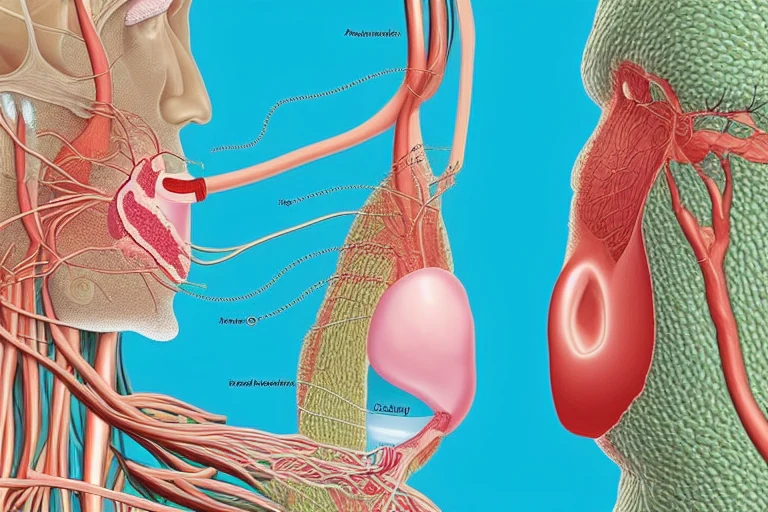
Introduction to Sneezing
Sneezing is a common reflex action that helps protect the respiratory system from irritants. This section will explore the scientific definition of a sneeze and its protective role. [1]
Mechanisms of the Sneezing Reflex
This section delves into the primary mechanisms involved in triggering a sneeze reflex, including the role of the trigeminal nerve and the coordinated action of multiple neural structures. Recent studies have identified specific neurons responsible for triggering sneezing and coughing, which could lead to new therapeutic approaches. [2][7]
Substances Triggering Sneezes
Examples of substances that can trigger a sneeze reflex are discussed, such as dust, pollen, and certain chemicals. The effects of these substances on the nasal passages are explained. Common allergens like dust, pollen, and certain chemicals can irritate the nasal mucosa, leading to a sneeze reflex. [1]
Contribution to Respiratory Health
This section highlights how the sneeze reflex contributes to overall respiratory health and immune function, including its role in expelling irritants and pathogens. The sneeze reflex plays a crucial role in respiratory health by expelling irritants and allergens, protecting the respiratory system from harmful substances. [1][2]
Modern Insights into Sneezing
Recent studies, such as the one by Professor Qin Liu, have identified specific neurons responsible for triggering sneezing and coughing. This section provides an overview of these findings, which could lead to new therapeutic approaches for managing these reflexes. [7]
Key Takeaways
- Sneezing is a protective reflex that helps clear irritants from the nasal passages.
- The sneeze reflex involves a complex nervous system and can be triggered by both internal and external stimuli.
- Substances like dust, pollen, and certain chemicals can trigger sneezes by irritating the nasal mucosa.
- The sneeze reflex plays a crucial role in respiratory health by expelling irritants and allergens, protecting the respiratory system from harmful substances. [2]
- Recent research has identified specific neurons responsible for triggering sneezing and coughing, which could lead to new therapeutic approaches. [7]
FAQ
- **What is the scientific definition of a sneeze?** A sneeze is a sudden, forceful, uncontrolled burst of air through the nose and mouth, triggered by irritation to the mucous membranes of the nose or throat. [6]
- **How does the sneeze reflex protect the respiratory system?** The sneeze reflex expels irritants and allergens from the nasal passages, protecting the respiratory system from harmful substances. [1][2]
- **What are some common substances that can trigger a sneeze reflex?** Common allergens like dust, pollen, and certain chemicals can irritate the nasal mucosa, leading to a sneeze reflex. [1]
- **How does the sneeze reflex contribute to overall respiratory health?** The sneeze reflex expels irritants and allergens, protecting the respiratory system from harmful substances. [1][2]
- **What recent research has been done on the sneeze reflex?** Recent studies, such as the one by Professor Qin Liu, have identified specific neurons responsible for triggering sneezing and coughing, which could lead to new therapeutic approaches. [7]
Conclusion
Understanding the science behind sneezing can help us appreciate the importance of this reflex in maintaining our respiratory health. By knowing the mechanisms and triggers of sneezing, we can better manage our symptoms and prevent the spread of respiratory illnesses. [5]