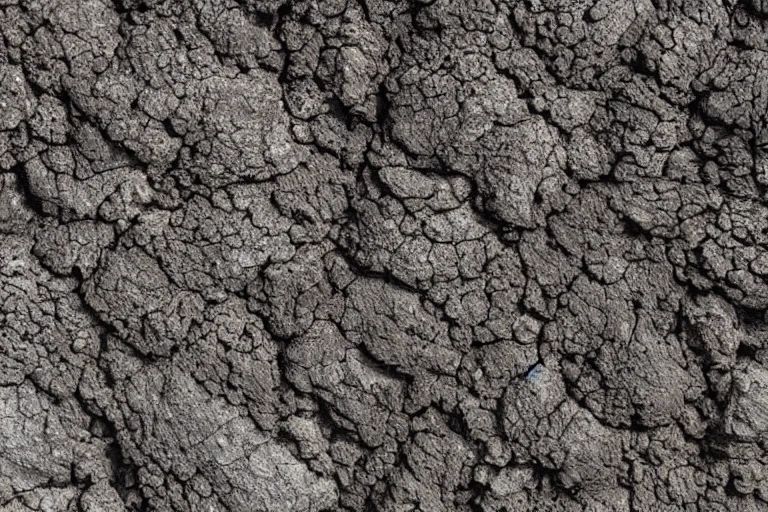
Introduction to Volcanic Rocks
Volcanic rocks, also known as extrusive igneous rocks, are formed from the cooling and solidification of magma erupted onto the Earth's surface. They are classified based on their chemical composition, mineral composition, and texture. Examples include basalt, pumice, and obsidian. [1]
Types of Volcanic Rocks
Volcanic rocks are primarily classified into three categories: basaltic, andesitic, and rhyolitic. Basaltic rocks are dark and dense, andesitic rocks are intermediate in composition, and rhyolitic rocks are light and silica-rich. Each type forms under different conditions and can be identified by their unique characteristics. [2][3]
Formation and Evidence in Volcanic Rocks
Volcanic rocks form through the cooling and solidification of magma. Evidence of their formation can be seen in the texture, mineral composition, and chemical makeup of the rocks. For example, pumice shows evidence of rapid cooling and gas bubbles, while obsidian indicates rapid cooling without crystallization. [1][2]
Examples of Volcanic Rocks
Examples of volcanic rocks include basalt, which is common in oceanic crust, andesite, found in subduction zones, and rhyolite, often associated with supervolcanoes. Each type of rock provides insights into the geological processes that formed it. [1]
Importance of Studying Volcanic Rocks
Studying volcanic rocks is crucial for understanding geological processes, including plate tectonics, volcanic activity, and the formation of mountain ranges. It also aids in predicting volcanic hazards and assessing the potential impact of eruptions. [2]
Key Takeaways
- Volcanic rocks are formed from the cooling and solidification of magma erupted onto the Earth's surface.
- Volcanic rocks are classified based on their chemical composition, mineral composition, and texture.
- Examples of volcanic rocks include basalt, andesite, and rhyolite, each with unique characteristics and formation processes. [3]
- Studying volcanic rocks helps in understanding geological processes and predicting volcanic hazards.
FAQ
What are volcanic rocks and how are they formed?
Volcanic rocks are formed from the cooling and solidification of magma erupted onto the Earth's surface. They are classified based on their chemical composition, mineral composition, and texture. [1]
What are the main types of volcanic rocks and how are they classified?
Volcanic rocks are primarily classified into three categories: basaltic, andesitic, and rhyolitic. Basaltic rocks are dark and dense, andesitic rocks are intermediate in composition, and rhyolitic rocks are light and silica-rich. [2][3]
What evidence can be found in volcanic rocks to understand their formation?
Evidence of volcanic rock formation can be seen in the texture, mineral composition, and chemical makeup of the rocks. For example, pumice shows evidence of rapid cooling and gas bubbles, while obsidian indicates rapid cooling without crystallization. [1][2]
Why is the study of volcanic rocks important for understanding geological processes?
Studying volcanic rocks is crucial for understanding geological processes, including plate tectonics, volcanic activity, and the formation of mountain ranges. It also aids in predicting volcanic hazards and assessing the potential impact of eruptions. [2]
Conclusion
Understanding the formation and classification of volcanic rocks is essential for comprehending the dynamic nature of our planet. By studying these rocks, scientists can gain valuable insights into the geological processes that shape our world and help predict and mitigate volcanic hazards. [3]